

AI Can Be Art (Part 1)
Not Yet Popular Opinion

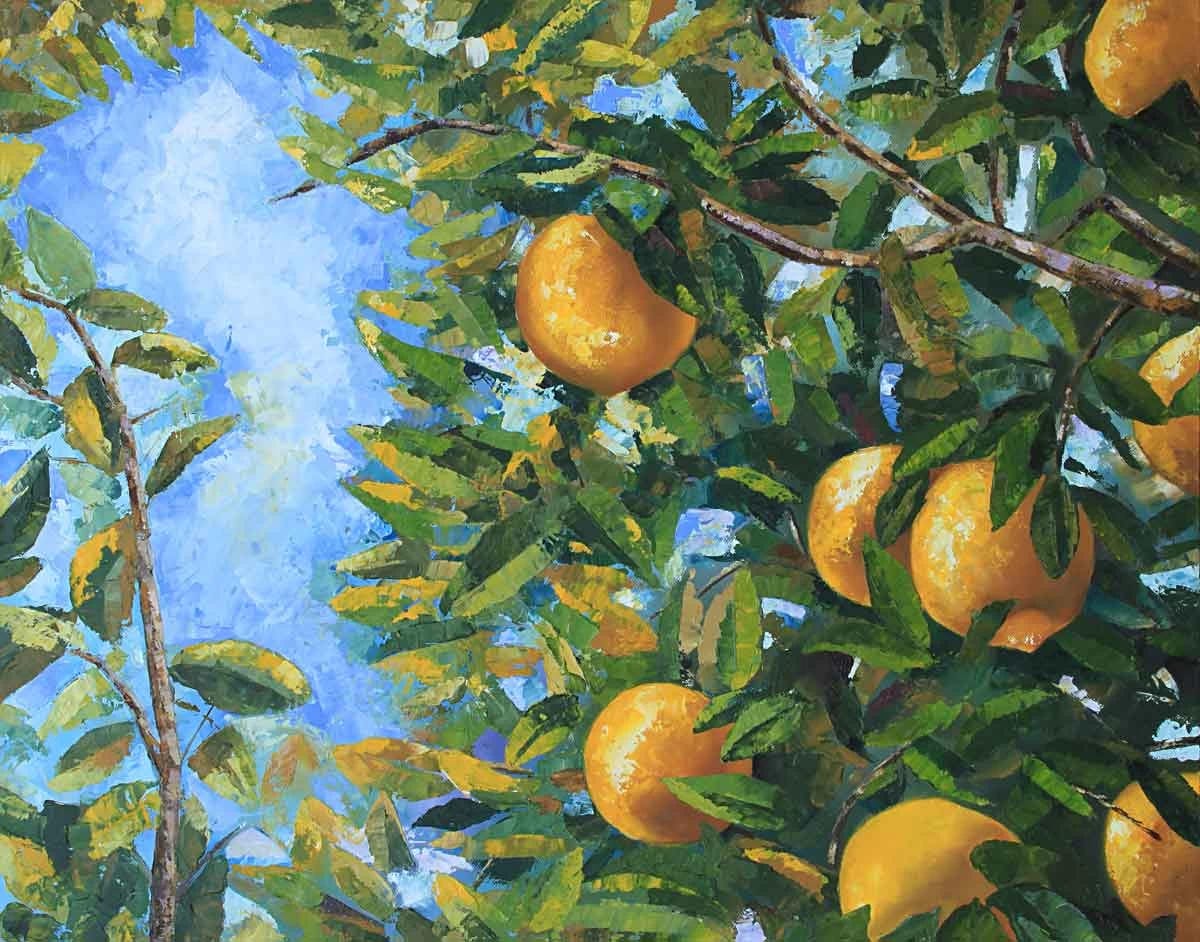
In August 2024, Ted Chiang published an essay in The New Yorker titled Why A.I. Isn’t Going to Make Art. His argument, compressed: art is the residue of thousands of small intentional choices, and a generative model does not make choices in any sense that matters. A prompt is not a decision. The model’s output is an average. Therefore what comes out the other end is, at best, a pleasant shape - and at worst, a kind of confidence trick performed on people who have never seen the real thing.
Chiang is a careful writer and a careful thinker, and I want to say what is right about the essay before I say what is wrong. He is right that most of what generative AI currently produces is not art. He is right that a one-sentence prompt producing a cinematic image is doing almost none of the work that making a cinematic image used to require, and that the resulting output carries almost none of the meaning the old work carried. He is right that we are about to be buried in slop, and that most of that slop will be mistaken, by someone, somewhere, for the thing it is imitating. I do not dispute this.
What I think Chiang gets wrong is the category. He has written an essay about generative AI as if it were a new kind of artist. It is not. It is a new kind of instrument. And the question of whether an instrument can make art is a question that has been answered, repeatedly, in every direction, for at least two hundred years.
When the camera was invented, serious people argued that photography could not be art. The argument was structurally identical to Chiang’s. The photographer, they said, does not make the image - the light does. The choices involved are trivial: point, expose, develop. There is no intentionality in the medium itself. What comes out is a mechanical average of what was in front of the lens. Therefore photography is a craft at best, and at worst a parlor trick.
This turned out to be wrong, and the reason it was wrong is worth unpacking. It was not wrong because photographers eventually proved that they, too, made thousands of small choices (although they did). It was not wrong because photographers demonstrated their interpretation of a ‘moment’ was more than just a lazy click of a button (although they did). It was wrong because the category art was never about how many choices the maker made. It was about whether the work carried meaning that a human being had put there.
A photograph of your mother at the kitchen table, taken by you, in the last year of her life, is art. It is art regardless of whether you adjusted the aperture. It is art because the frame is carrying freight that you, specifically, loaded into it. The camera is not the artist. You are.
Meanwhile, if you are parking your car in a 5-story garage, and hastily take a picture of the C5 column to remember your spot, this is not art. Not all photography is art. The intention matters. The input matters. The process matters.
The same logic applies, exactly, to generative models. The question is never can this model make art. The question is always what is the person on the other end of the prompt doing. If the person is typing cyberpunk samurai in the style of Moebius, highly detailed, trending on ArtStation, the answer is: nothing. They are gambling. The output will be slop because the input was slop. Chiang is describing this case, and he is correct about it.
But this is not the only case. And more importantly, it is not the interesting one.
Consider a different input. A woman in her seventies sits down and talks for an hour about a summer in Calabria in 1962 - her grandfather’s lemon tree, the heat in the stone kitchen, the cousin she was a little bit in love with and never told. She is not a writer. She has never written anything longer than a birthday card. But every sentence she speaks is loaded with specific, non-fungible detail: the blue of the gas flame, the shape of the bruise on the lemon, the exact words her grandfather used when he was annoyed with her.
A generative model turns that hour of speech into six pages of prose. The prose has structure, rhythm, and restraint. It keeps her voice. It chooses, from the mass of what she said, the three images that carry the most weight. It finds the ending.
Is this art? I believe the answer is: it depends on what was put in. If the woman was real, and the lemon tree was real, and the cousin was real, then yes. Obviously yes. The meaning in the work is the meaning she brought to it. The content carried emotion. It carried truth. It carried a lifetime of interpretation, reflection, remorse, joy. The model is doing what the camera did for the photograph of your mother at the kitchen table - it is the instrument that lets a specific human being make a specific human thing, using a medium they could not otherwise have accessed.
What has changed is not whether art is possible. What has changed is who gets to make it. For most of history, producing literary prose required years of training that almost nobody has time to undertake. The woman with the lemon tree story was never going to write a memoir. Now she can have one. The bottleneck was never her experience. It was the instrument.
Chiang’s essay treats AI as a replacement for the artist. I think the more accurate frame is that AI is, for the first time in human history, an instrument general enough to be wielded by people who were locked out of the old instruments. This will produce, yes, an ocean of slop. It will also produce, in the hands of people with something real to say, a category of work that did not previously exist. And this is a beautiful, precious thing.
The right question is not whether AI will make art. The right question is what we feed it, and whether we have the discipline to feed it something true.